

Sweet Time
Herizons | Nyala Ali | February 3, 2021
Herizons | Nyala Ali | February 3, 2021
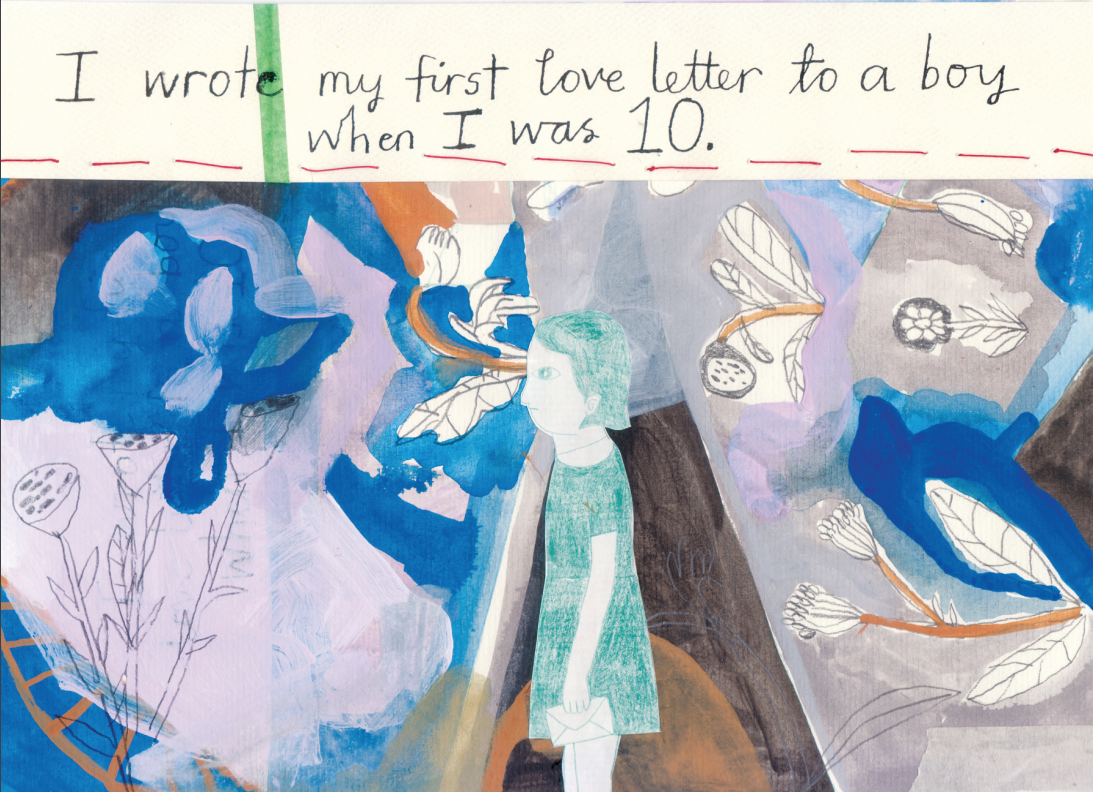
"SWEET TIME WENG PIXIN Drawn & Quarterly REVIEW BY NYALA ALI Sweet Time is the debut graphic short story collection from Singaporean cartoonist Weng Pixin. “Collecting memories like desires,” this bittersweet volume of stitched-together vignettes chronicles the ways in which relationships develop, and then, more often than not, unravel. Organic, expressionist forms and vibrant hues of water- colour and oil pastels illustrate the heady, whimsical feelings associated with romantic love, as well as its often unfortunate aftermath. In “Birds,” two relationships dovetail as one couple, out for a stroll, overhears another couple in the midst of a nasty breakup. Like a bad omen, the first couple’s relationship then dissolves, seemingly over nothing. Weng’s ethnically diverse characters visually signal the unspoken nuances of race and class within a relationship, and how they can underlie seemingly innocuous disagreements; in this case, one partner wants to travel but feels that the other is too sheltered to share their wanderlust. Other characters in Sweet Time do travel, and these stories are tinged with melancholia, drawing on the fact that travel abroad, much like a new relationship, is often idealized as a cure-all. Once again, Weng combines a search for connection with everyday goings-on, focusing on small, vivid moments instead of scenes from iconic locations. Upon returning from a trip to New York, one character realizes she’s back in Canada “when an exit sign reads exit/sortie. Sortie. Sorted out? Never mind.” Yearning for an escape that never lasts, either through travel, relationships or otherwise is often taxing, as Weng relates in a story involving a hookup titled “Discount Connection,” which ends, predictably, in despair. The most genu- ine connections in Sweet Time involve vulnerable conversations, often about physical and mental illness. In “Pairs” and “The Boat,” couples talk about feeling lonely and helpless, terminal cancer and suicide. On how to avoid being com- pletely engulfed by this type of darkness, a character remarks, “the existence of a possibility helped.” Weng’s eponymous “Sweet Time” echoes this sentiment, culminating her volume not with heartbreak, but by lingering on a romantic connection that holds a promise of something more, despite the fact that the sweet times borne out of such bonds are fleeting."
Purchase Winter Herizons 34.4 here.