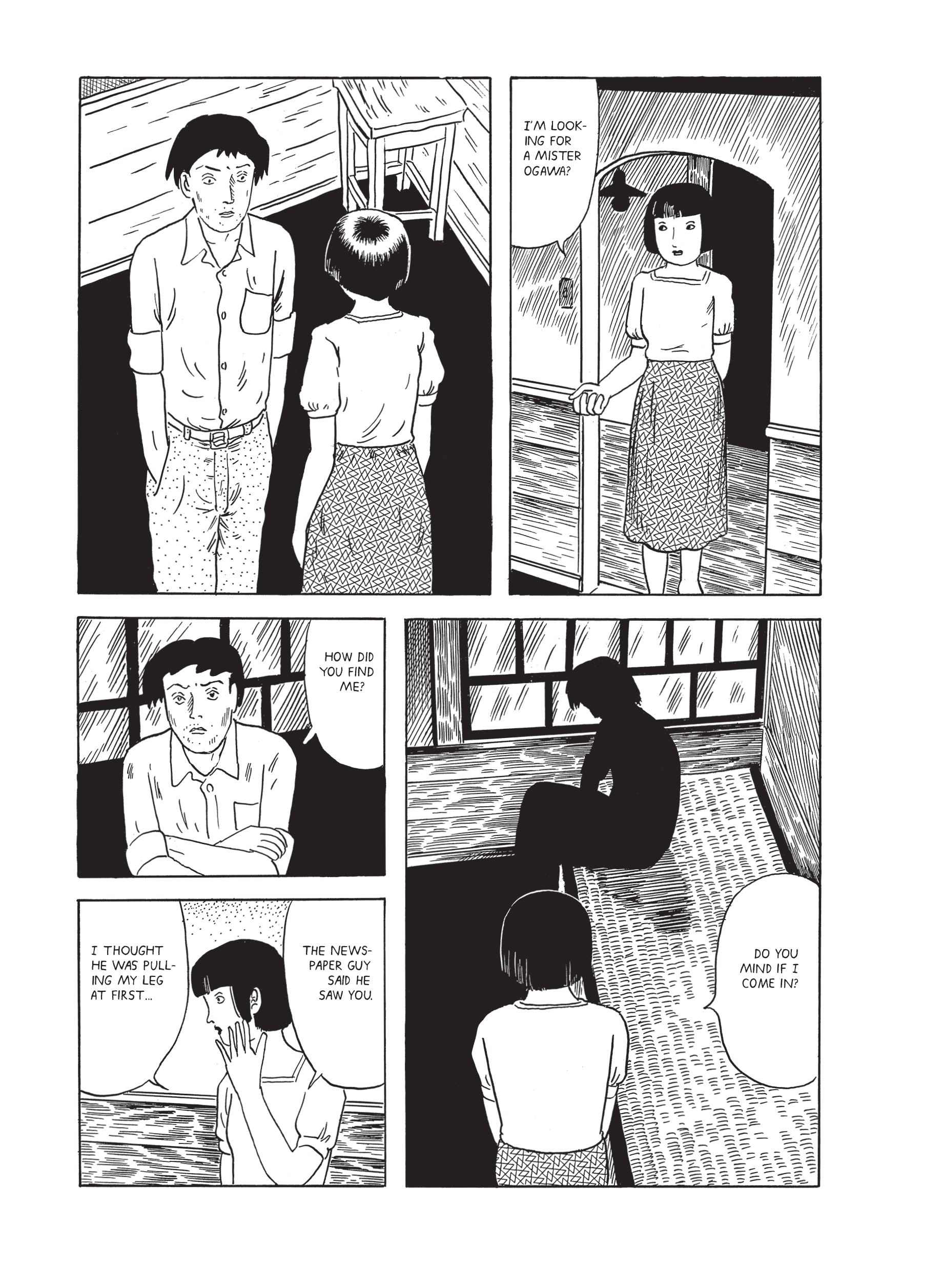
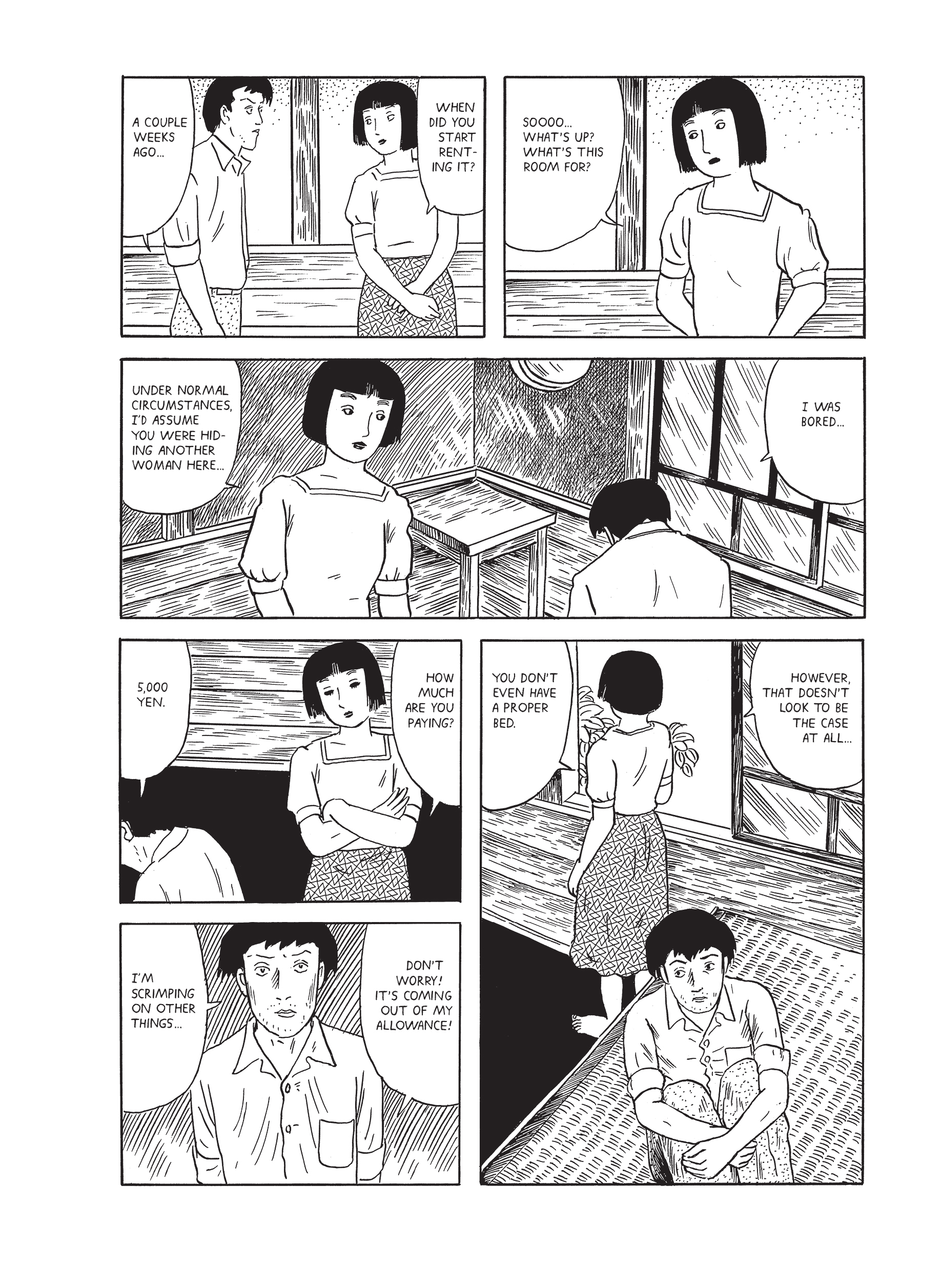
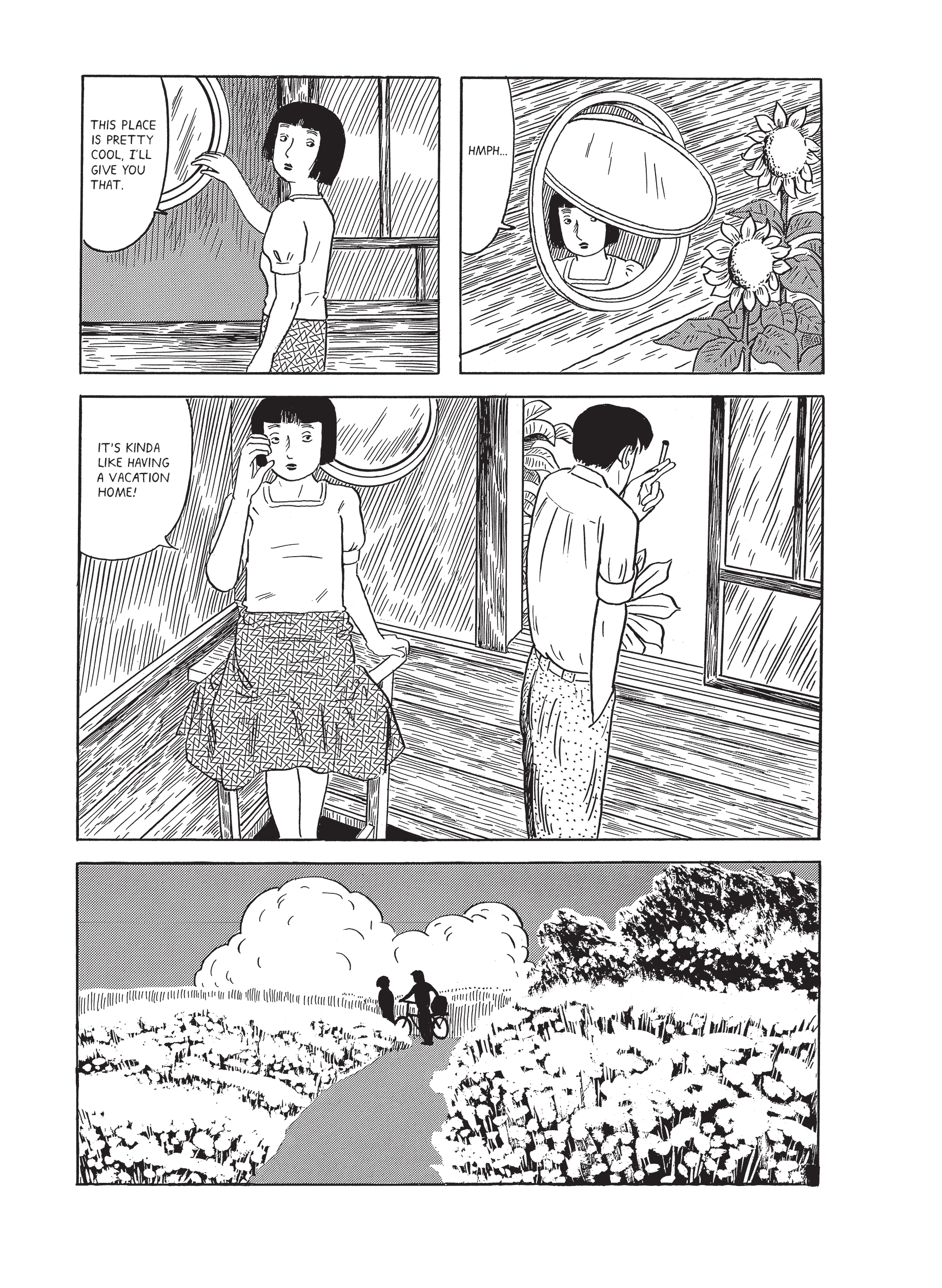
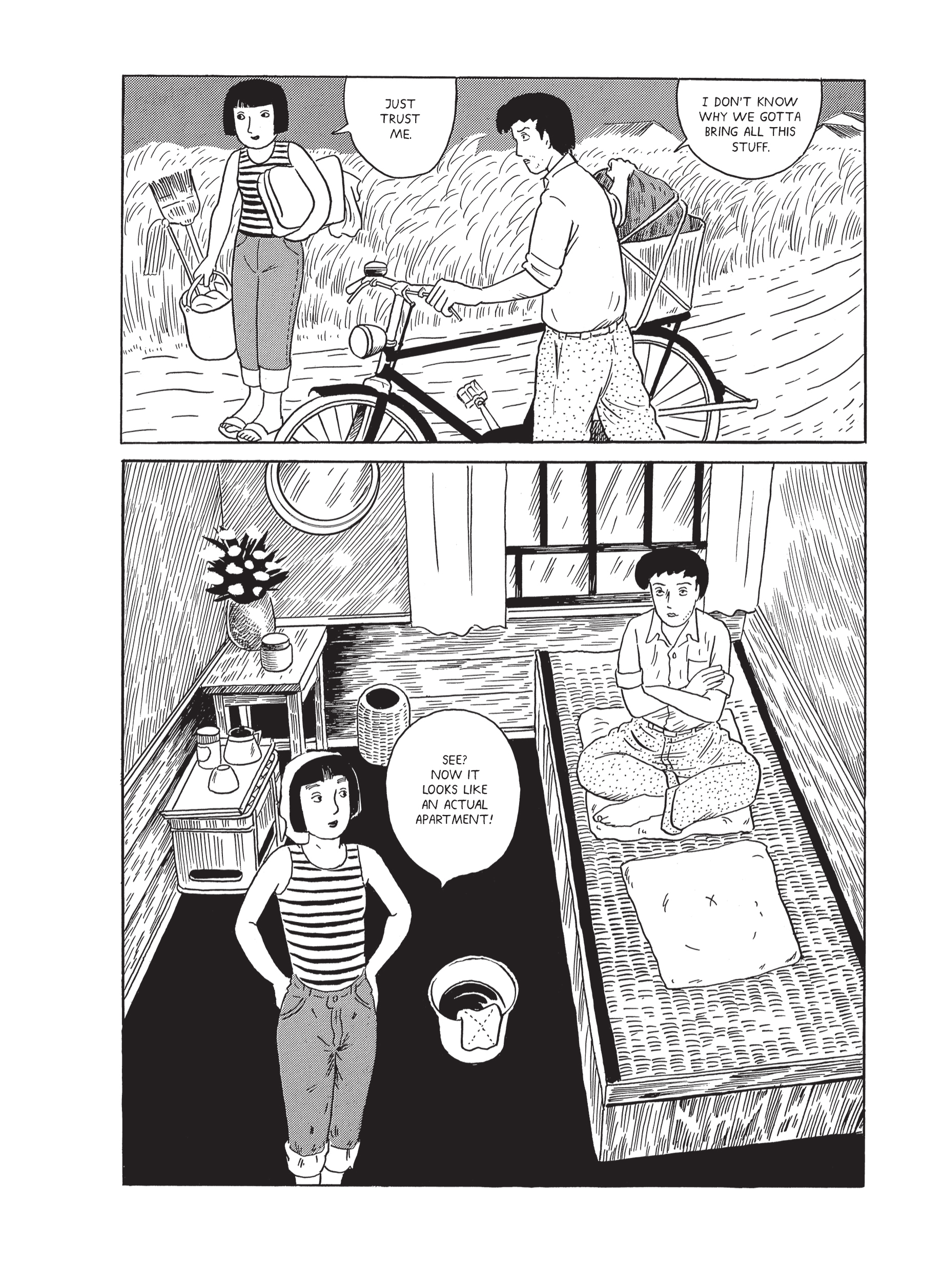
A manga icon’s most perplexing, transgressive, and astounding works of horror and surrealism
By the mid-1970s, Tsuge Yoshiharu was a man changed by circumstance—something his work from 1975 to 1981 boldly reveals. After settling into married life with fellow artist Fujiwara Maki (author of Eisner-winning My Picture Diary), Tsuge would return to the narrative formulas that he knew best: tall tales exchanged between fellow travelers, macabre parables tinged with magical realism, and the enduring comedy of the domestic everyday in a Japan rebuilding itself in the decades following the Second World War.
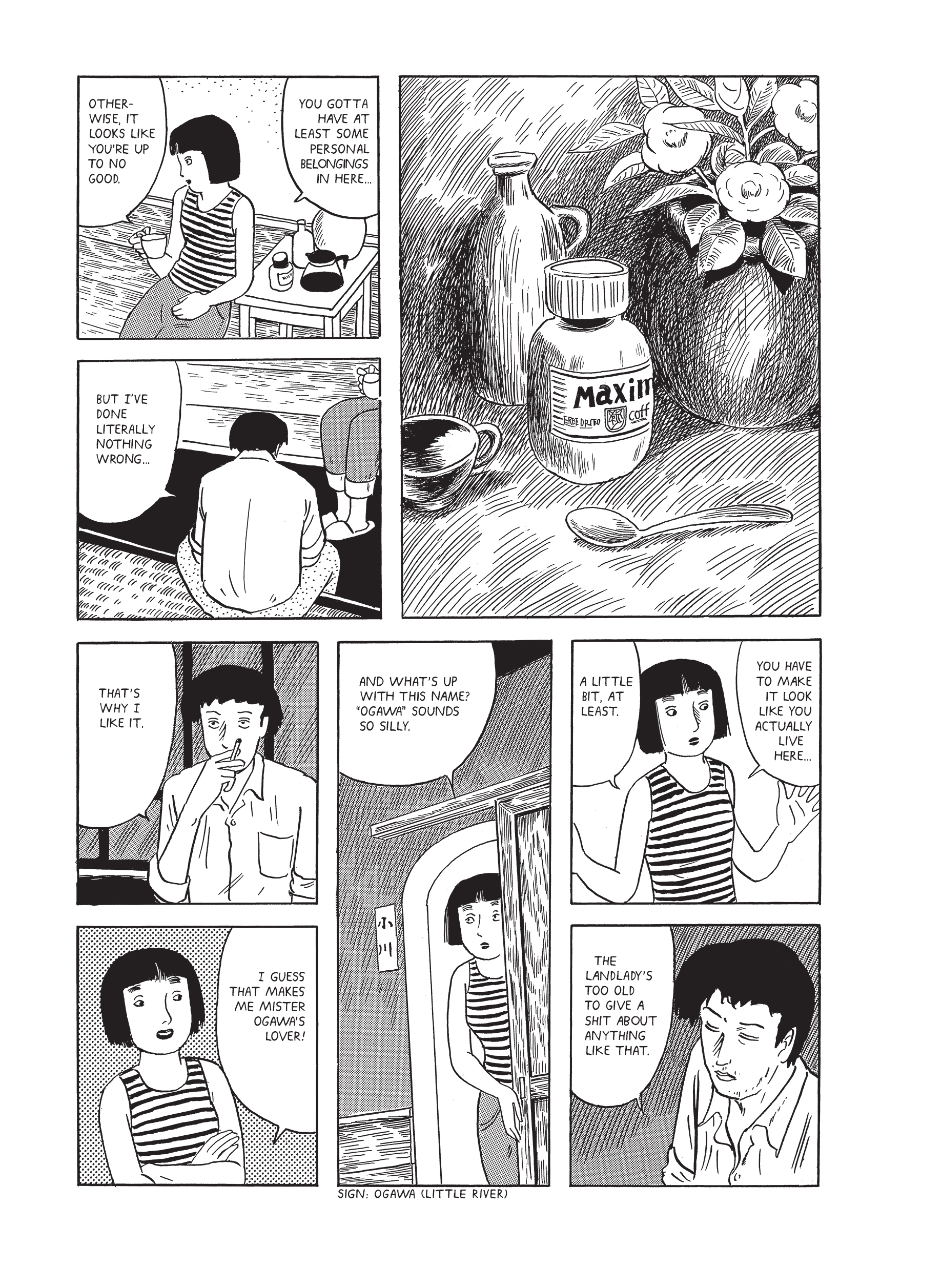
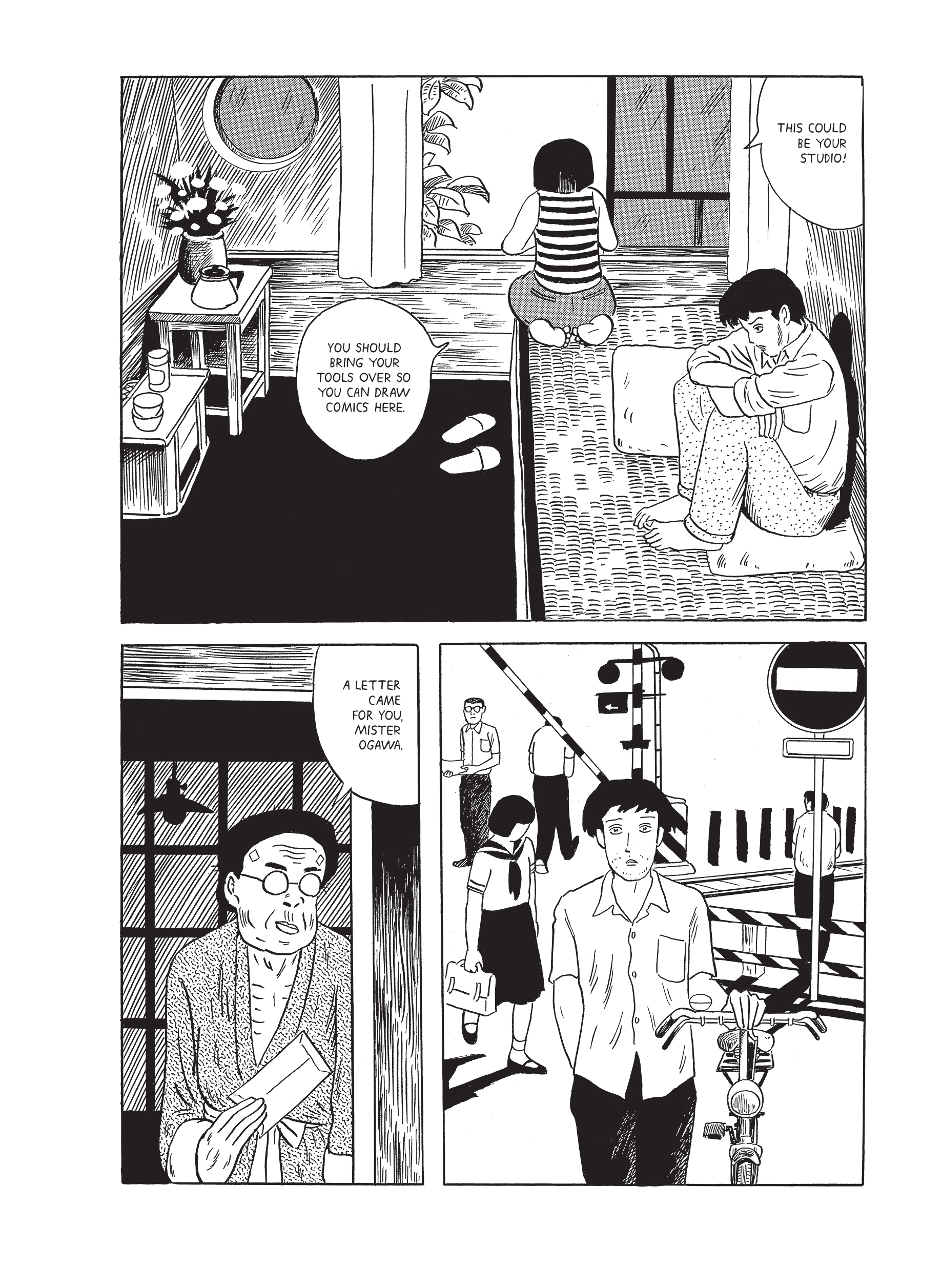
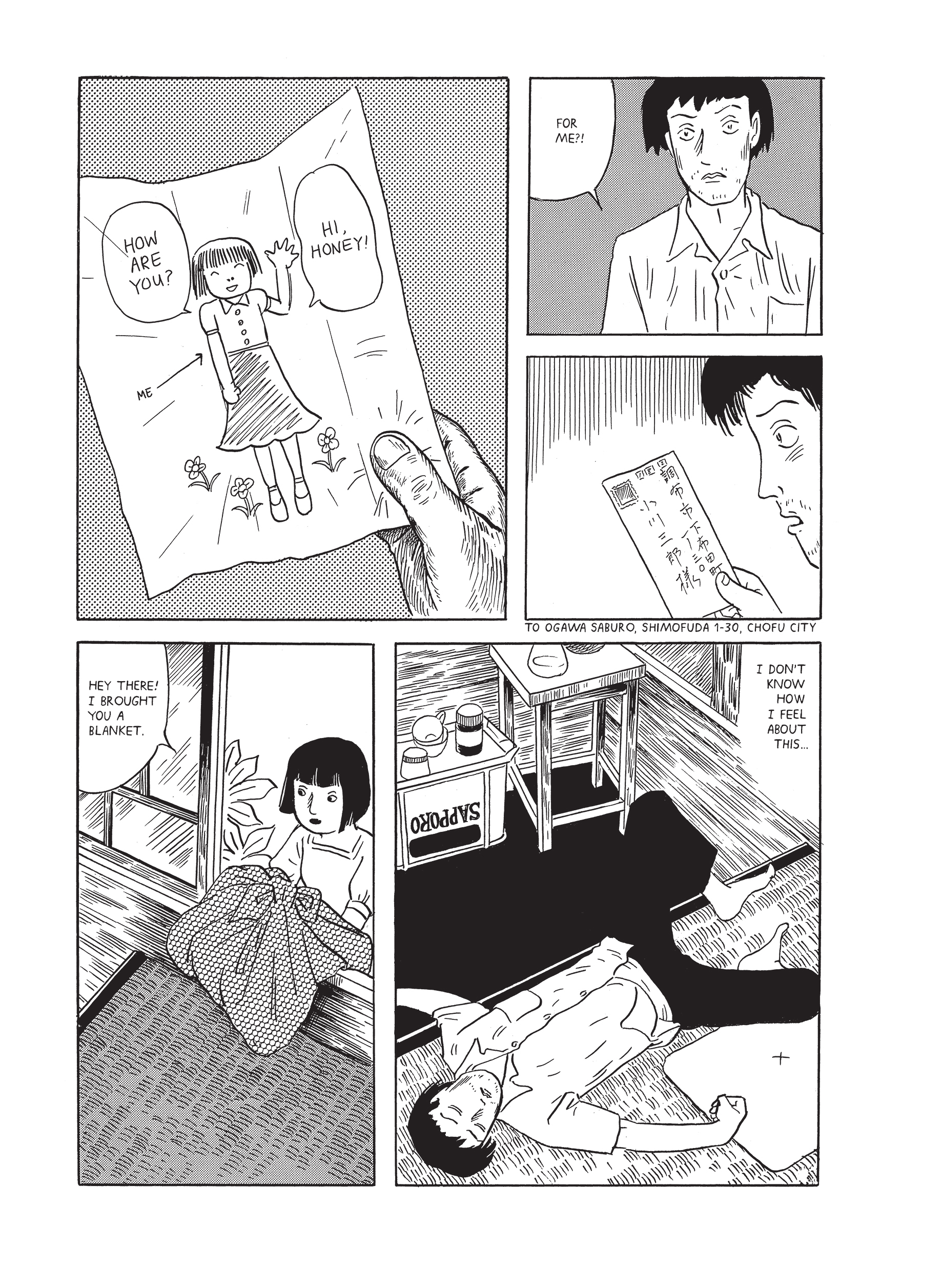
And yet the confusion and mental illness simmering beneath the surface of his more surreal works come to a rolling boil, reaching an unsettling and horrific crescendo in a series of nightmarish delusions. He Rolled Me Up Like A Grilled Squid captures a midcareer author taking stock of his anxieties and suspicions while connecting the dots between his seemingly monotonous present and his complicated past. Confrontations between both periods in his life are explored through the lens of his deteriorating mental state, expressed directly through experiments with different visual styles collected in this volume.
Translated by prolific art and comics historian Ryan Holmberg, He Rolled Me Up Like A Grilled Squid is a remarkable catalog of creative experiments alongside a veteran storyteller’s most compelling observations about people at their most human.
Read an excerpt